
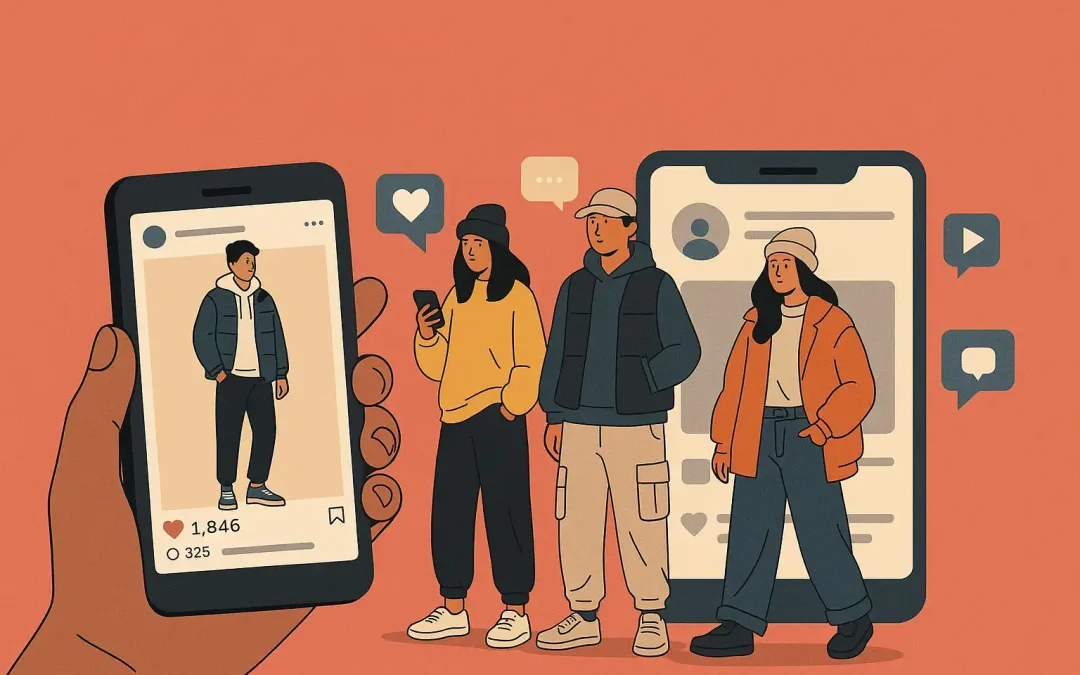
Streetwear has evolved from a subcultural style rooted in skateboarding, hip-hop, and youth rebellion into a global fashion movement. At the heart of this transformation lies a powerful digital engine: social media. From Instagram influencers to TikTok fashion challenges, social platforms have become the new front row of the streetwear scene. This article explores how social media shapes streetwear trends, amplifies niche styles, and build communities that drive the future of fashion.
FROM UNDERGROUND TO ALGORITHM
Streetwear, once considered a niche movement, found a broader stage through digital platforms. In the pre-social media era, discovering new streetwear brands or styles required immersion in subcultures, attending underground events, or reading print magazines like Trasher. Today, all it takes is a scroll through Instagram’s Explore tab or a dive into a TikTok “fit check” hashtag to discover emerging aesthetics and styles.
The algorithmic nature of social media platforms plays a crucial role in shaping trends. Content that gains traction – a celebrity wearing a new drop, an innovative sneaker redesign, or a viral streetwear haul – is quickly circulated across networks, influencing purchasing behaviour and redefining what’s “cool”.
INFLUENCERS: THE NEW STREETWEAR ICONS
Influencers have become the torchbearers of fashion culture, often dictating what’s in and what’s out. With millions of followers, they bring visibility to both emerging designers and established brands. Their content blends streetwear with personal style, often breaking traditional rules of fashion and creating new norms.
Influencers also serve as bridges between high fashion and streetwear. When a style appears on both a Dior runway and an influencer’s feed in the same week, it gains mass appeal and authenticity. Social media’s visual nature allows streetwear to be consumed in context – whether it’s on the streets of Tokyo, New York, or Kuala Lumpur – making it easier for followers to visualise how they can incorporate a trend into their own wardrobe.
USER-GENERATED CONTENT AND DEMOCRATISED FASHION
Perhaps one of the most impactful ways social media affects streetwear is through user-generated content (UGC). Streetwear enthusiasts post daily outfits, thrift hauls, and styling tips, often tagging brands or using trending hashtags. This democratisation means anyone – not just celebrities or designers – can influence the direction of streetwear trends.
Platforms like TikTok have lowered the barrier to trendsetting. A viral video showcasing a DIY alteration of a hoodie or an affordable alternative to a hyped Supreme item can redefine what’s desirable overnight. These moments emphasise creativity over price tags and champion the streetwear ethos of individuality.
HYPE CULTURE AND THE DROP MODEL
Hype culture – the intense anticipation around limited releases – is largely a product of social media. Brands like Supreme and Off-White collaborations rely heavily on exclusivity. By teasing product drops on Instagram Stories or Twitter, brands generate buzz and engagement. Followers wait anxiously for updates, often rescheduling their day around a drop.
This model is not only builds demand but creates a perception of scarcity that fuels secondary markets. Platforms such as StockX flourish due to this cycle of digital hype. In this environment, streetwear trends are not just aesthetic choices but also investment opportunities – a reflection of how deeply social media has commercialised the culture.
THE RISE OF MICRO-TRENDS AND HYPER-NICHING
One interesting byproduct of social media is the explosion of micro-trends. Instead of one dominant style defining a season, you will find dozens of niche aesthetics – gorpcore, techwear, Y2K revival, skater-prep – existing simultaneously. Social media platforms provide the space for each of these to flourish independently.
For example, Reddit forums like r/streetwear or Discord servers dedicated to niche fashion styles give communities a space to share ideas, provide feedback, and build a culture around their aesthetic. Meanwhile, Instagram accounts that curate specific vibes (e.g., monochrome outfits, Japanese streetwear, archival fashion) help establish and maintain these micro-communities.
Each of these mini-scenes contributes to the broader ecosystem of streetwear trends, creating a diverse and ever-evolving landscape.
TIKTOK: THE NEW KING OF TREND CYCLES
TikTok deserves a special mention for how quickly it can generate and kill fashion trends. Its algorithm prioritises engagement, allowing even users with fellow followers to go viral. This has created a hyper-fast fashion cycle where a look can trend globally within days and become passé within weeks.
This speed has pros and cons. On the positive side, it allows new creators to gain exposer quickly and introduces users to styles they might not have discovered otherwise. However, it also promotes overconsumption and a lack of sustainability, as people feel pressure to constantly update their wardrobe to stay current.
BRAND IDENTITY AND COMMUNITY BUILDING
For streetwear brands, social media isn’t just a promotional tool – it’s a way to build identity and community. Brands like Palace and Stüssy use Instagram to maintain their aesthetic, engage with followers, and humanise their team through behind-the-scenes content. This helps build loyalty and keeps fans emotionally invested in the brand’s journey.
Social media also enables real-time interaction. Whether it’s responding to comments, hosting giveaways, or creating challenges, brands that engage with their audience often enjoy stronger customer retention. This shift from consumer to community member has redefined the streetwear business model.
SUSTAINABILITY AND CONSCIOUS CONSUMPTION
As awareness around environmental impact grows, social media has also given rise to conversations around sustainable streetwear. Influencers and activists use their platforms to advocate for thrifted fashion, clothing swaps, and upcycling. Hashtags like #slowfashion or #sustainablestreetwear have gained traction as users look for alternatives to fast fashion.
Vintage streetwear, especially pieces from the ’90s and early 2000s, is having a major comeback. Social platforms help validate the appeal of older styles, ensuring they are not just worn out of necessity but as fashion statements. This also slows down the churn of streetwear trends, offering a more grounded approach to consumption.
GLOBALISATION OF STREETWEAR THROUGH SOCIAL MEDIA
One of the most significant impacts of social media is the globalisation of streetwear. Styles that once might have been confined to a particular city or scene are now instantly accessible worldwide. Malaysian, Nigerian, or Korean streetwear influencers are building international followings, bringing regional styles to global audiences.
This cross-cultural exchange fuels innovation. Designers draw inspiration from global subcultures, integrating elements of traditional garments, folklore, or local art into contemporary fashion. The result? A richer, more inclusive version of streetwear that reflects a mosaic of cultural voices.
STREETWEAR AS SELF-EXPRESSION IN THE DIGITAL AGE
Ultimately, the core of streetwear lies in self-expression – a value amplified by social media. Whether you are posting a mirror selfie, a TikTok styling video, or a long-form fashion review on YouTube, you are participating in a digital conversation about identity, creativity, and belonging.
This shift has broadened who gets to be part of the fashion dialogue. No longer limited to fashion editors or buyers, today’s tastemakers include students, skaters, dancers, and digital creators – all contributing to the ever-expanding world of streetwear trends.
CONCLUSION: A DOUBLE-EDGED SWORD
While social media has democratised fashion and opened new avenues for creativity, it also presents challenges. The fast pace of trend cycles can lead to burnout, overconsumption, and a loss of authenticity. Brands and consumers alike must navigate these pressures carefully.
Still, there is no denying the power of social media in shaping the streetwear landscape. It has given rise to new voices, expanded access to fashion, and transformed streetwear from a subculture into a global force. As platforms evolve and communities grow, social media will continue to play a central role in how streetwear trends emerge, evolve, and endure.
Yours truly,
Randi Enterprise
